


Treatment of big toe fungus, even in minor cases, is recommended under the supervision of a dermatologist.This recommendation is based on the fact that treatment of onychomycosis (this is the medical name of the disease) depends on the stage of the fungal process and the type of pathogen.
When self-treating, it is difficult to independently determine the severity of the pathology and evaluate the results of treatment.
Characteristics of thumb
Dermatologists believe that it is more difficult to get rid of fungus on the nails of the big toe than on other fingers of the lower limbs.This is due to its large size and large nail bed.
Due to the structural characteristics of finger lesions, they have the following characteristics:
- Larger affected area (larger nail);
- There is a high risk of fungal spores entering the bloodstream (the blood supply is richer).
These unique features increase the duration of the treatment process.Dermatologists point out that when multiple fingers are affected by onychomycosis, the biggest difficulty is eliminating the lesions on the thumb.
stages of fungal infection
Your doctor's advice on how to treat onychomycosis depends on the stage of the disease:
- first.The patient does not experience any unpleasant sensations; barely noticeable streaks or spots appear on the nail plate.Toenails look healthy, and slight changes in color are considered a cosmetic flaw rather than the first symptom of a fungal infection.Detecting infection during this time can allow you to heal the nail lesions quickly.
- second.Fungal growth on the thumb nail can cause minor discomfort.The main symptoms of this stage: an unpleasant odor from the feet and changes in the nail plate.Nails turn yellow and lose their shine.Itching and discomfort only occur when you wear tight or closed shoes.Topical antifungal medications can cure it; antifungal pills are only prescribed if a person's immune system is severely weakened.
- third.It is considered an advanced form of the pathology in which deep damage to the nail plate occurs.When this happens, other toes can be affected, and the skin on the foot can become infected.Patients are worried about itching, severe deformation, thickening, and loosening of the nail plate.At this time, the patient is most at risk to others due to the loss of nail plate particles containing fungal spores.At this stage of the disease, onychomycosis on the big toe can only be cured with the help of a combination of treatments (a combination of antifungal tablets and external treatments of the affected area).
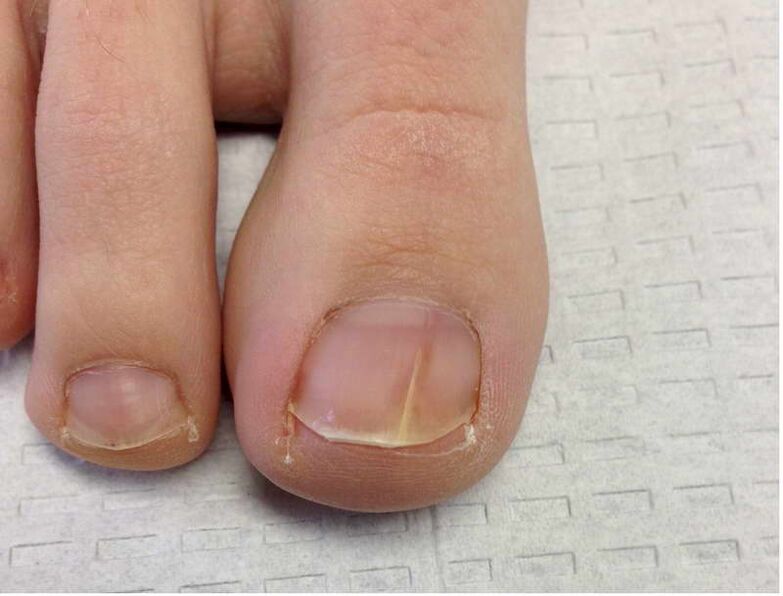
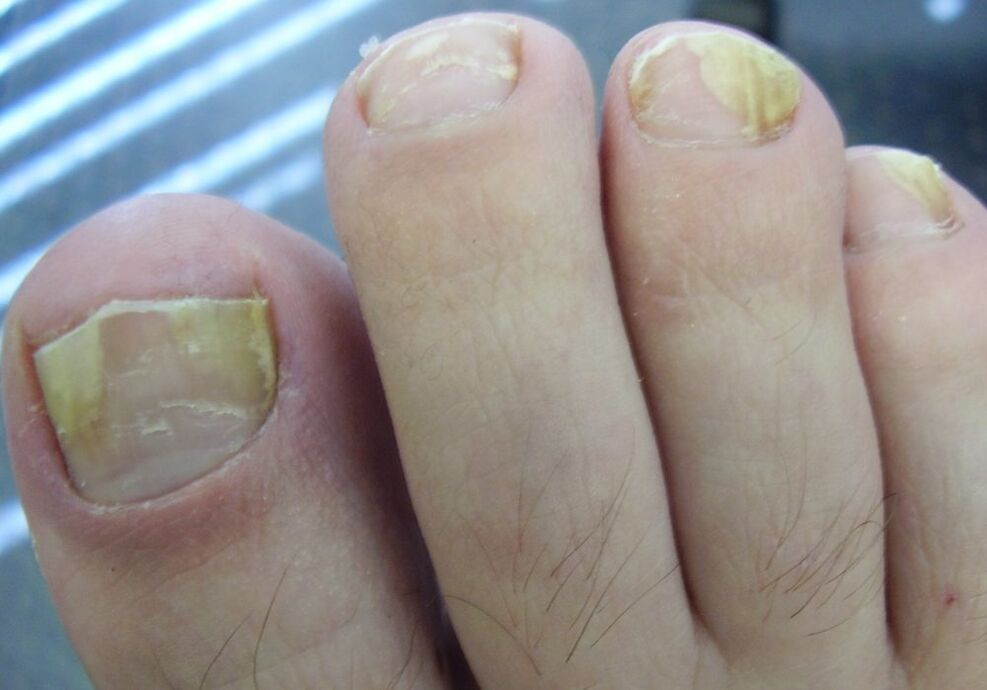
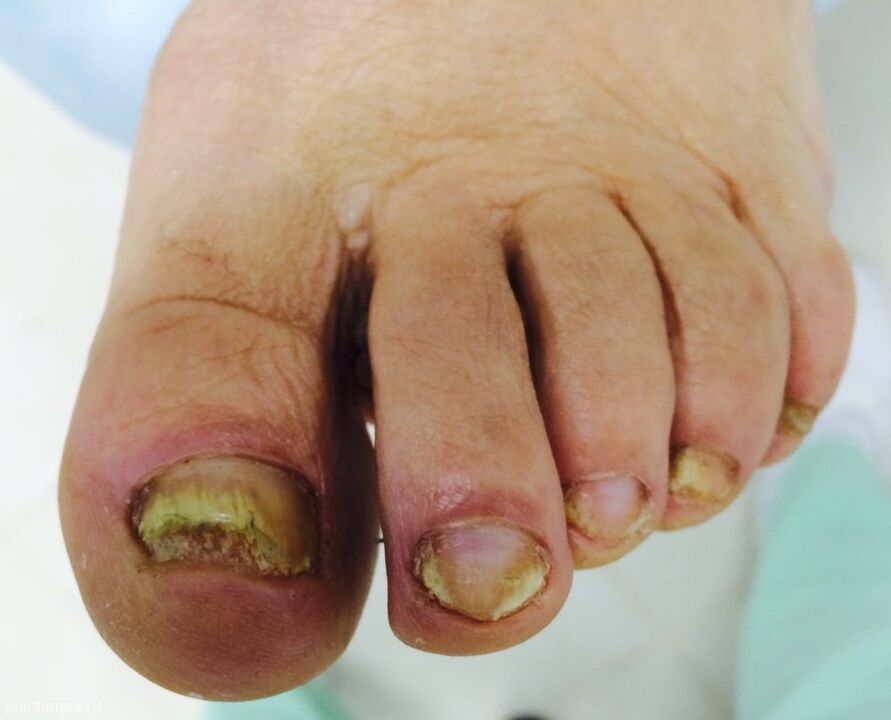
A dermatologist can advise you on how to get rid of the fungus based on the signs and symptoms of the severity of the infection.
Myths about self-medication
I have onychomycosis on my big toe and have been undergoing treatment, but to no avail.This can be heard from some patients who were treated independently with the help of antifungal drugs purchased in pharmacies.
Often, patients begin to blame the drug manufacturer for the failure, but in fact, the main reason why the fungus is not cured is due to patient error:
- Incorrect judgment of pathological degree.If the first stage of treatment with medicinal varnish and non-specific antiseptics (iodine, hydrogen peroxide) is sufficient, then for severe lesions, specific treatment is required.Due to lack of experience, a person may limit themselves to topical medications when it comes time to take them.
- Incorrect evaluation of the treatment process.There are many causes of fungal infections, and most topical medications have a wide range of effects.However, treatments for fungi are not universal and may not be effective if onychomycosis occurs.The key to effective treatment is to replace the drug with other drugs in a timely manner, but most people do not consider this and continue to use the purchased ointments or sprays to no avail.
- Irregular treatment.To cure big toenail fungus, daily treatment is necessary.Regular removal of flaked nail plates and the use of medications can prevent the progression of onychomycosis and help eliminate fungal spores.Skipping external treatments can destroy the inhibition of fungal growth and slow the healing process.
- Poor sanitary conditions.Fungus on the big toe is dangerous not only for other people but also for the patient: small spores of the pathogen remain on clothes and shoes.Wearing bare feet in slippers or rarely changing socks can promote self-infection and negatively impact the treatment process.Clean, natural fabric socks should always be worn during antifungal treatment, even at home.
Important!
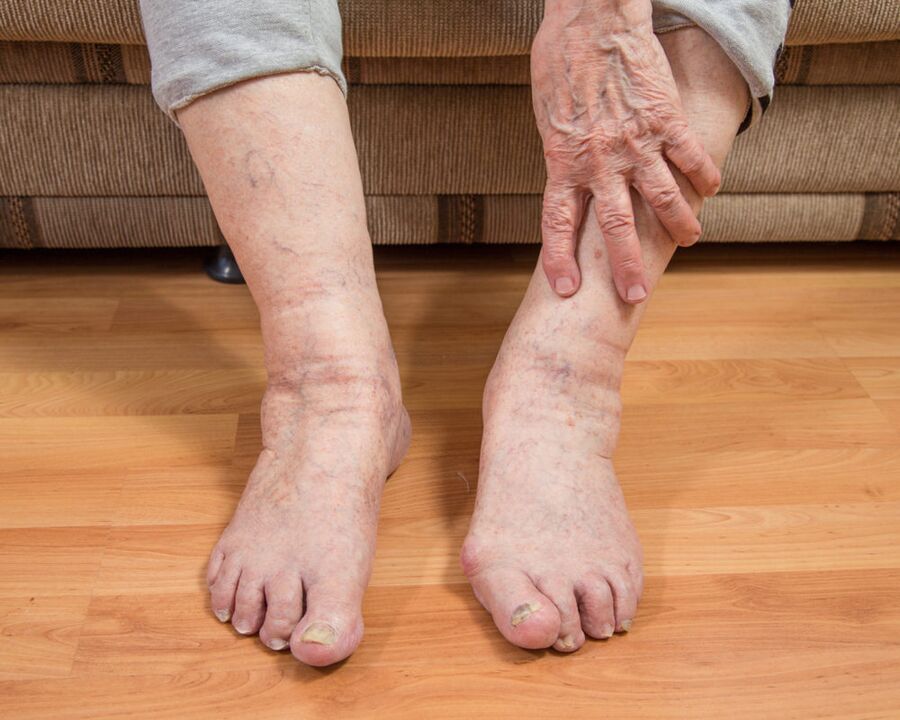
How to treat advanced toenail fungus in each case will be determined individually after laboratory methods have determined the type of causative organism.
drug review
Onychomycosis preparations are divided into the following groups according to the form of release:
- varnish;
- ointments and sprays;
- pill;
- Nail Plate Remover.
Lucky man
Varnish is sold in pharmacies without a prescription and is recommended not only for treating the initial stages of the disease, but also for preventing onychomycosis.These medications have antiseptic properties and help soften areas affected by the fungus.
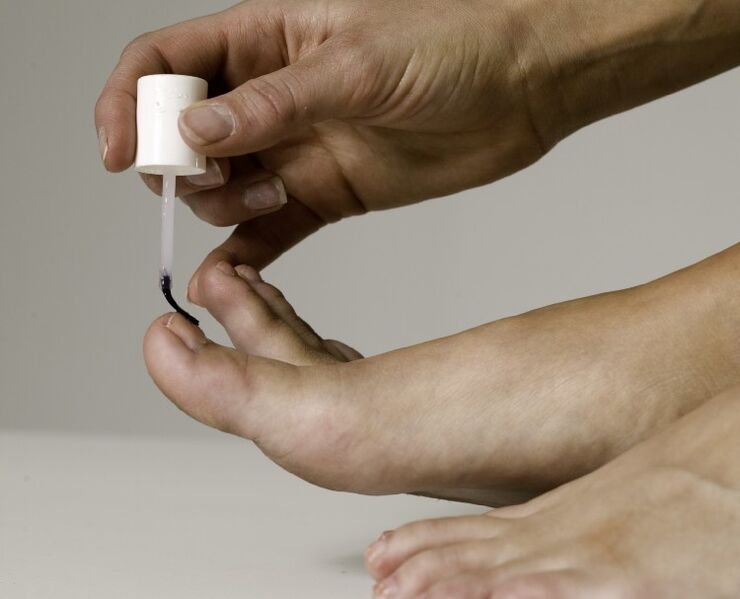
These drugs act on certain pathogens, destroying spores and inhibiting the growth of fungal colonies.Apply varnish to a clean nail plate and let it dry for a long time.
Ointments and sprays
Topical products are available at pharmacies without a prescription and are rarely associated with adverse reactions.After cleaning and treating your nails, apply it to the affected surface and nearby skin.Lubricate the affected area 1-2 times a day, treatment can last from several months to a year (depending on the severity of the pathology).
These drugs differ in their effects on inhibiting colony growth, but all have good therapeutic properties.
Tablet
Oral medications are used to treat advanced forms of the disease when there is a risk of mold spores entering the bloodstream.The drug is delivered throughout the body through the bloodstream and helps eliminate deep tissue damage.Medications are always taken in conjunction with topical medications.
Determining how to treat a fungal infection in your extremities is not recommended if you need to take medication.If, with external use, errors in the choice of the drug can only lead to ineffective treatment, then with internal use, such errors can lead to the development of dysbiosis and further suppression of a weakened immune system.
When it comes to what to treat and how to treat it, it's best to trust your doctor's abilities if you need to take medication.
The choice of drug is made individually, taking into account not only the symptoms of the disease, but also the presence of contraindications and possible side effects.All drugs have an inhibitory effect on the development of mold colonies and can be taken long-term.
nail remover
If the nail plate is severely damaged, it must be removed for successful treatment.But removing nails from the nail bed is always painful and can lead to disability.If there are no special instructions, it is recommended to use a softener to remove the nail in a less invasive manner.
The most popular are:
- Apply the product to the affected area in the evening and leave it on overnight.In the morning, you need to remove the dressing, remove any flaking plates and clean the surface with a cosmetic file.Repeat the process daily until the affected structures are completely removed.
- Apply the antifungal patch to a clean and minimally flaky nail plate, leave it on for 10-12 hours, then cut the nail off with nail clippers in the morning.For most patients, 1 session is enough to completely remove the nail, but in some cases, multiple procedures may be needed to achieve results.
For mild fungal infections of the big toe, one drug of appropriate choice is enough to treat, but for advanced lesions, combined therapy (prescribing internal and external drugs) is required.
home remedies
Using home remedies as self-treatment has great results in the initial stages of the disease.
Non-medical options you can use:
- Peel the potatoes.Boil in plenty of water, no need to clean the salt.Drain the water, steam the feet with it and mash the skin into a puree.After steaming your nails in clean water, apply the puree to the affected area for 15-20 minutes.After completing the procedure, rinse the pulp with warm water and put on clean socks.
- coffee.Make ground or instant coffee with boiling water and then cool to medium temperature.Soak your feet in coffee for 15 minutes, then rinse your feet and apply moisturizer.
- garlic.Mix the pulp of 3-4 cloves of garlic with a tablespoon of alcohol.Apply the resulting mixture to a gauze pad for daily application.The duration of this process is 20 minutes.
- Kombucha.Apply mushroom pulp regularly to areas affected by fungus.
In the early stages of the disease, these available therapies will help to defeat the fungus, while in the advanced stages of the pathology, it is recommended to use them as a complement to medical therapy.
Fungus on the big toe nail can take a long time to treat due to the structure of the toe.Your doctor will help you choose the appropriate treatment, but the success of treatment depends on how often the patient performs the treatment procedure.